
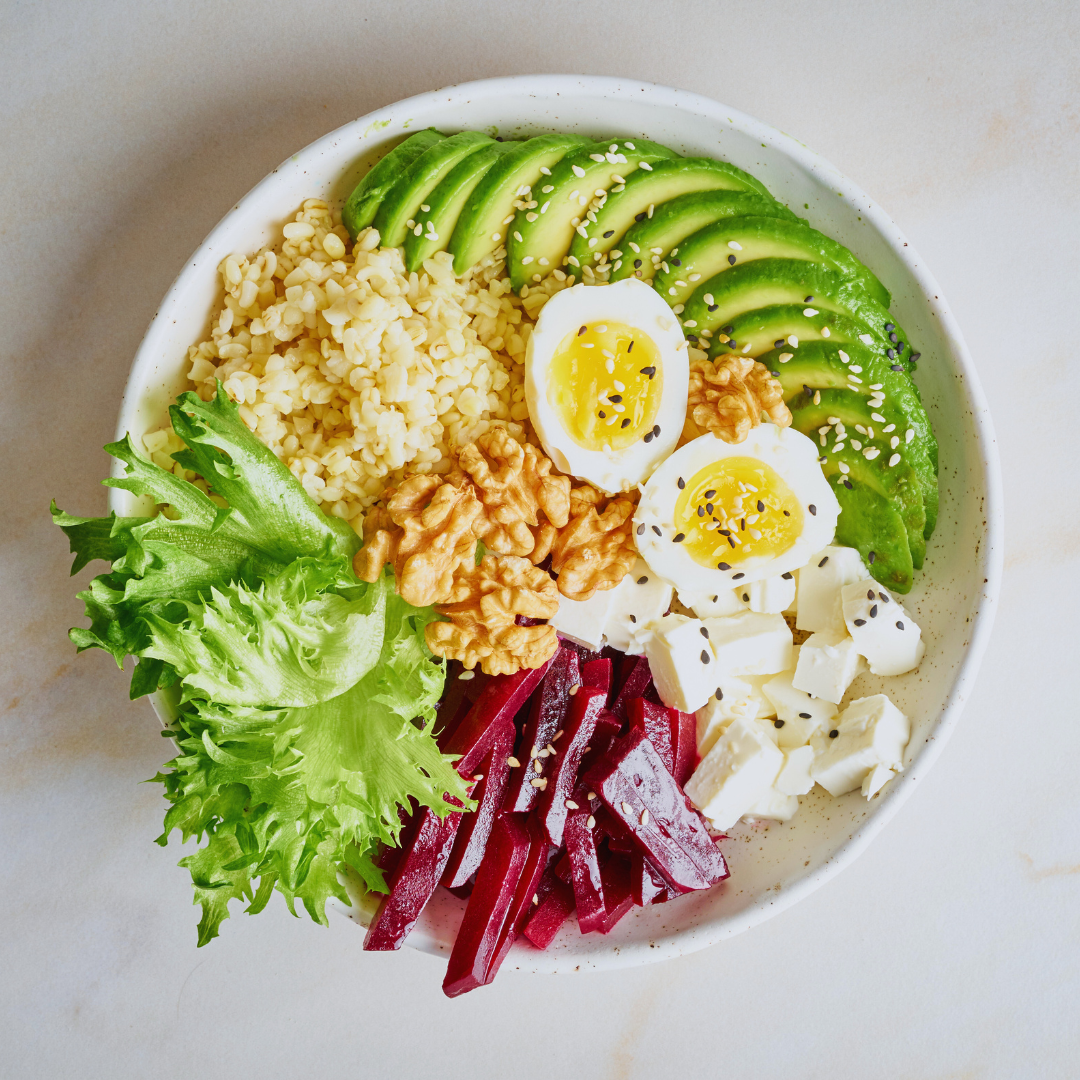
Balanced meal planning is essential for effective weight management. By incorporating a variety of food groups and portion control, individuals can create meals that not only nourish the body but also support sustainable weight loss. This approach emphasizes moderation rather than restriction, making it easier to adhere to long-term health goals.
When meals are thoughtfully planned, the likelihood of reaching for unhealthy snacks or overeating diminishes. It encourages mindful eating, allowing individuals to appreciate flavors and textures while being aware of their hunger cues. This strategy helps to foster a healthy relationship with food.
In addition, balanced meal planning often includes macronutrient distribution tailored to individual needs. By understanding the role of proteins, fats, and carbohydrates, one can craft meals that maintain energy levels and stabilize blood sugar. This comprehensive approach not only aids in weight management but also promotes overall well-being.
Sometimes, standard diet plans do not work because of hidden metabolic issues. When weight gain is stubborn, it is often a sign that the body has underlying imbalances. A personalized approach can help identify these blocks, such as toxin buildup or hormone issues. Finding a functional weight management serving of care helps people address these root causes. This method goes beyond simple calorie counting to restore natural metabolic health.
Core Principles of Balanced Meal Planning
A thorough understanding of nutrition, clear definitions of healthy meal plans, and awareness of individual calorie needs are essential for effective meal planning. These elements work together to create a structured approach for managing weight while promoting overall health.
Understanding Nutrition Basics
Nutrition is founded on macronutrients: carbohydrates, proteins, and fats. Each plays a unique role in the body.
- Carbohydrates are the primary energy source. Types include whole grains, fruits, and vegetables.
- Proteins are vital for muscle repair and growth. Sources are meat, beans, and dairy.
- Fats aid in nutrient absorption. Healthy fats come from avocados, nuts, and olive oil.
Balancing these macronutrients is crucial. Recommendations often suggest a distribution of 45-65% carbs, 10-35% protein, and 20-35% fat, depending on individual needs.
Defining a Healthy Meal Plan
A healthy meal plan includes a variety of foods to ensure nutritional adequacy. Utilizing tools like the USDA MyPlate plan can guide meal composition.
Key components of a healthy meal plan include:
- Fruits and Vegetables: Aim for half the plate to contain a variety of colors.
- Whole Grains: Opt for brown rice, quinoa, or whole-grain bread instead of refined grains.
- Protein Sources: Incorporate both animal and plant-based proteins for variety.
A meal plan should also address portion sizes. Using smaller plates can help manage portion control intuitively.
Calorie Needs and Portion Control
Calorie needs vary based on age, gender, activity level, and health goals. Individuals should consult a registered dietitian to determine their unique caloric requirements.
Tracking food intake in a food diary can aid in understanding eating habits. This practice allows individuals to note their calorie consumption and identify areas for adjustment.
Portion control plays a significant role in weight management. Consider these strategies:
- Use measuring cups or a scale to assess serving sizes.
- Learn to recognize standard portion sizes (e.g., a serving of protein is typically the size of a deck of cards).
- Serving meals in smaller bowls can promote reduced portion sizes.
By focusing on these principles, individuals can create meal plans that support weight management and healthy eating.
Building Blocks of a Weight Management Meal Plan
A structured approach to meal planning is essential for effective weight management. Focusing on the right macronutrients, selecting wholesome ingredients, and minimizing unhealthy components can significantly impact dietary success.
Choosing the Right Macronutrients
Balancing macronutrients—proteins, carbohydrates, and fats—plays a vital role in meal planning. Protein sources like lean meat, poultry, fish, eggs, and legumes support muscle maintenance and can enhance satiety. Carbohydrates should primarily come from whole grains, fruits, and vegetables, providing essential fiber and nutrients while regulating energy levels.
Recommended Macronutrient Ratios:
- Protein: 25-30%
- Carbohydrates: 45-55%
- Fats: 20-30%
Fats should focus on unsaturated varieties found in nuts, seeds, and oils, while saturated fats from processed foods and fatty meats should be limited. This balanced approach contributes to overall health and aids in weight management.
Selecting Nutritious Ingredients
Choosing nutrient-dense foods is crucial for crafting a meal plan. Fresh vegetables and whole fruits should be staples, offering vitamins, minerals, and fiber. Whole grains such as brown rice and oatmeal are preferable to refined grains, as they provide sustained energy and digestive benefits.
Incorporating low-fat dairy like yogurt and milk can enhance calcium intake while keeping saturated fat in check. Nuts and seeds add healthy fats, protein, and essential nutrients, making them an excellent choice for snacks or toppings.
Examples of Nutritious Ingredients:
- Vegetables: Spinach, broccoli, carrots
- Fruits: Berries, apples, oranges
- Whole Grains: Quinoa, barley, farro
Focusing on these ingredients helps maintain a balanced diet, facilitating effective weight management.
Minimizing Sodium, Added Sugars, and Unhealthy Fats
Limiting sodium intake is crucial for overall health, particularly for managing blood pressure. Opting for fresh ingredients and preparing meals at home can help reduce salt exposure. Aim for less than 2,300 mg of sodium per day.
Added sugars are prevalent in many processed foods and should be minimized. Instead of sugary snacks, choose whole fruits for sweetness and fiber. Unhealthy fats, especially trans fats found in fried foods and baked goods, should be avoided to reduce cholesterol and promote heart health.
Specific Strategies:
- Use herbs and spices for flavor instead of salt.
- Substitute sugary drinks with water or unsweetened beverages.
- Choose oven-baked instead of fried options.
Adopting these practices contributes to a healthier diet conducive to weight management.
Meal Planning Strategies for Weight Management
Effective meal planning strategies can contribute significantly to weight management. Employing structured approaches helps individuals make informed food choices. This section focuses on developing a weekly meal plan, selecting healthy cooking methods, and utilizing valuable nutrition tools.
Planning for Busy Days
A meal plan is more likely to remain practical when it accounts for days when shopping, cooking, or preparing food in advance is difficult. Keeping a few convenient options available can reduce the temptation to skip meals or make unplanned choices when time is limited.
Some people include meal replacement shakes as a portion-controlled option for particularly busy occasions. They should complement a varied eating plan rather than automatically replace every meal, and individual nutritional needs, allergies, and health conditions should be considered when choosing a product.
Designing a Weekly Meal Plan
Creating a weekly meal plan involves assessing dietary needs based on factors like activity level and health conditions, such as type 2 diabetes. A balanced meal plan typically includes a variety of vegetables, lean proteins, whole grains, and healthy fats.
To start, individuals can choose recipes for breakfast, lunch, and dinner while ensuring they meet a target of around 1,200 calories daily for gradual weight loss. It helps to make a shopping list based on the planned meals to prevent impulse purchases. Meal prepping can also save time and promote healthy eating. Consider preparing meals in advance, focusing on simple dishes that can be refrigerated or frozen.
Cooking Methods for Better Health
Choosing healthy cooking methods is crucial for maintaining nutrient integrity while supporting weight management. Techniques such as baking, grilling, and steaming can enhance flavor without adding excessive calories.
- Baking and Grilling: These methods require minimal oil or butter, making them ideal for preparing lean proteins like chicken or fish along with vegetables.
- Steaming: This technique helps retain the nutrients in vegetables, making them more beneficial for weight control. Incorporating these methods into meal preparation can contribute to a healthier diet, aiding in weight loss and preventing obesity.
Utilizing Nutrition Tools and Resources
Accessing nutrition tools and resources can streamline meal planning for weight management. Utilizing a nutrition database enables individuals to track caloric intake and nutrient composition effectively.
Mobile apps can assist in logging meals and providing insights into daily calorie consumption. Many of these tools offer customizable meal plans tailored to specific dietary needs, accommodating conditions like chronic diseases. Consulting registered dietitians can also provide personalized guidance. These resources enhance accountability and help individuals stay on track with their health goals.
Adapting Meal Plans for Health Conditions and Lifestyle
Tailoring meal plans to accommodate health conditions and individual lifestyles is essential for effective weight management. Specific dietary needs motivated by health concerns such as diabetes or heart disease require careful consideration of nutrient balance and food choices.
Managing Weight With Physical Activity
Incorporating physical activity is crucial in any weight management strategy. Regular exercise aids in burning calories and supports muscle maintenance, which is vital for managing body weight.
Types of Physical Activities:
- Aerobic exercises: Activities like walking, biking, or swimming help improve cardiovascular health and burn calories.
- Strength training: Engaging in resistance exercises can increase muscle mass, boosting metabolism even when at rest.
Creating a routine that balances these activities ensures not only weight management but also supports heart health. Understanding personal physical limits and setting realistic fitness goals enhances adherence to an active lifestyle.
Specific Needs: Diabetes and Heart Disease
Meal planning for diabetes and heart disease focuses on nutrient quality and carbohydrate management. Individuals with diabetes should prioritize low glycemic index foods to maintain stable blood sugar levels.
Recommended Foods:
- Whole grains, legumes, and non-starchy vegetables
- Lean protein sources like poultry and fish
- Healthy fats such as avocados and olive oil
For heart disease, a heart-healthy diet is essential. This includes limiting saturated fats and sodium while increasing fiber intake.
Maintaining portion control and being mindful of added sugars can further assist in managing both conditions. Regular consultations with healthcare professionals can help in adjusting meal plans according to individual needs.