
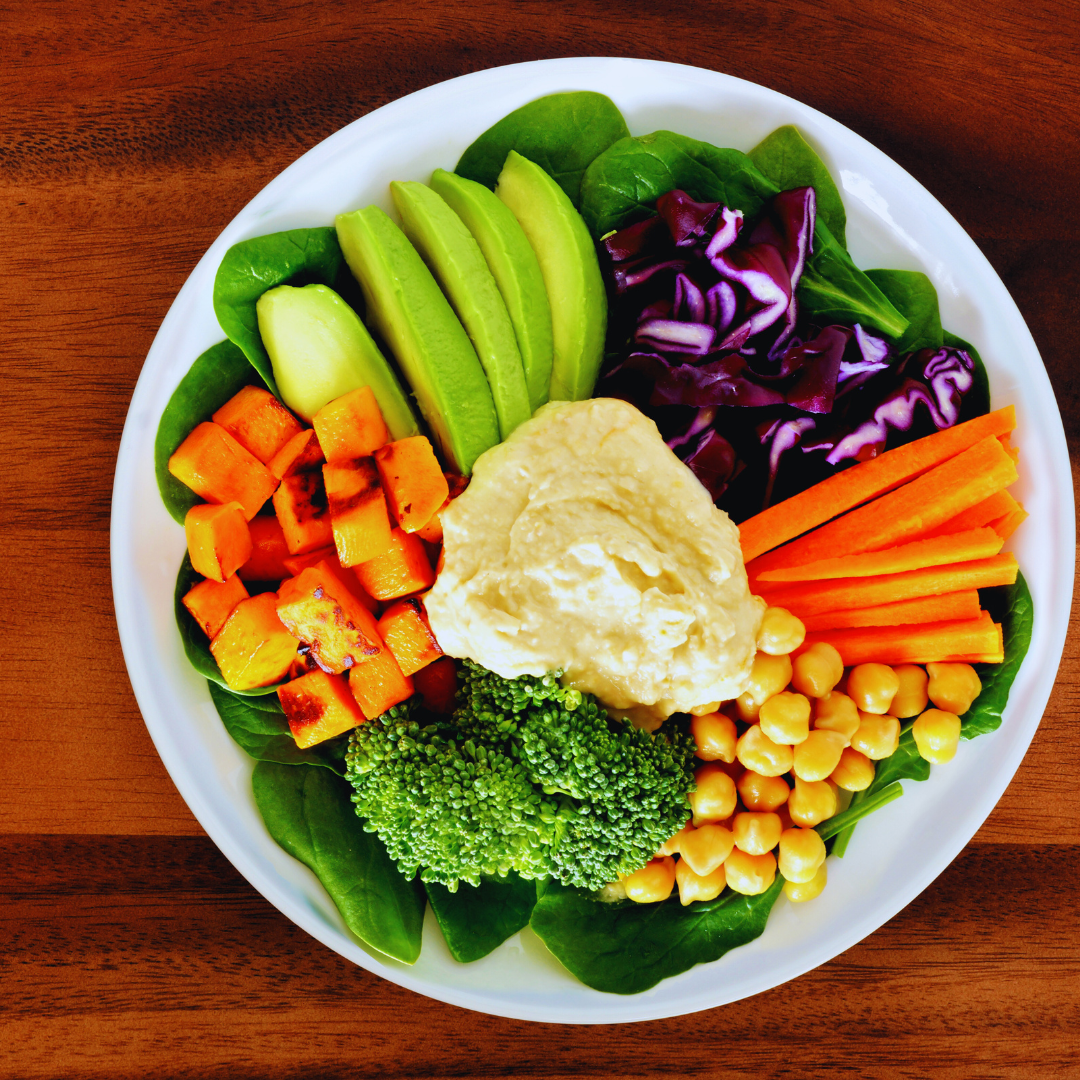
Cooking healthy meals can often seem daunting, especially for beginners. With a little planning and the right recipes, it is possible to prepare nutritious dishes in just 30 minutes. This blog post will guide aspiring cooks through simple meal ideas that fit into a busy lifestyle without compromising on health.
Each recipe included prioritizes fresh ingredients and balanced nutrition, making it easier to create delicious meals quickly. From vibrant stir-fries to hearty salads, these options will help anyone kickstart their journey towards healthier eating habits.
The goal is to simplify the cooking process, allowing time for enjoyment and creativity in the kitchen. By following these straightforward recipes, even novice cooks can gain confidence and discover a love for preparing healthy, homemade meals.
Getting Started With 30-Minute Healthy Meals
Creating healthy meals in 30 minutes is achievable with the right approach. This includes having the essential tools, stocking key ingredients, and understanding macronutrient balance.
Essential Kitchen Tools
To prepare meals quickly, having the right kitchen tools is crucial.
- Chef’s Knife: A sharp knife makes chopping vegetables quick and efficient.
- Cutting Board: Non-slip boards provide a stable surface while prepping.
- Pots and Pans: A non-stick skillet and a medium-sized pot facilitate cooking various dishes.
- Measuring Cups and Spoons: Accurate ingredient measurement helps ensure consistency in flavor.
- Blender or Food Processor: These tools make smoothies, sauces, and dips quick and easy to prepare.
Investing in these essentials streamlines the cooking process and boosts confidence in meal preparation.
Key Ingredients For Quick, Nutritious Cooking
Stocking the pantry with versatile and nutritious ingredients supports quick meal preparation. Below are some key items to consider:
- Protein Sources: Chicken breast, canned beans, eggs, and tofu offer quick protein options.
- Vegetables: Fresh or frozen vegetables like spinach, bell peppers, and broccoli provide important nutrients and fiber.
- Whole Grains: Quinoa, brown rice, and whole wheat pasta are excellent sources of complex carbohydrates.
- Healthy Fats: Olive oil, avocados, and nuts contribute essential fats beneficial for heart health.
- Spices and Herbs: Basil, garlic powder, and cumin can enhance flavors without added calories.
Having these ingredients on hand facilitates quick meal assembly and encourages variety.
Balancing Macronutrients For Beginners
A balanced meal typically includes protein, healthy fats, and fiber-rich carbohydrates. This balance promotes satiety and sustained energy.
- Protein: Aim for a serving size of 3-4 ounces. Sources include chicken, fish, or legumes.
- Healthy Fats: Incorporate about 1-2 tablespoons of olive oil or a handful of nuts.
- Fiber: Fill half the plate with vegetables or whole grains to boost fiber intake.
Understanding these proportions allows for flexibility while ensuring nutrient needs are met. Beginning cooks can easily adjust based on personal preferences while maintaining nutritional balance.
Quick & Healthy Meal Ideas For Beginners
These meal ideas focus on incorporating nutritious ingredients while being quick to prepare. They emphasize protein-rich options and vibrant vegetables, making them suitable for beginners seeking healthy eating habits.
Easy Dinners With Salmon, Chicken, And Shrimp
Salmon is a perfect choice for a quick dinner. It cooks in about 15 minutes. A simple method involves seasoning with lemon juice, garlic, and herbs, then baking or grilling. Pair it with asparagus or a side salad for a balanced meal.
For chicken, try balsamic chicken with ease. Marinate chicken breasts in balsamic vinegar, olive oil, and Italian herbs. Sauté in a skillet for around 20 minutes. Serve with roasted sweet potatoes for extra nutrients.
Shrimp tacos made with tajín seasoning are also quick. Cook shrimp in 5-7 minutes and serve in soft tortillas with a cabbage slaw. Add sliced avocado and a squeeze of lime for flavor.
Vegetarian Options With Spinach, Zucchini, And Mushrooms
Spinach and zucchini provide great bases for vegetarian dishes. A spinach and feta pasta salad can be ready in 20 minutes. Cook whole-grain pasta, and mix it with fresh spinach, feta cheese, and a drizzle of olive oil.
Zucchini can be spiralized into noodles. Sauté with garlic and mushrooms for a hearty dish. Season with salt, pepper, and fresh basil to enhance flavor. This meal is light yet filling and takes just 15 minutes to prepare.
Additionally, vegetable stir-fries using mushrooms, bell peppers, and arugula make for a nutritious option. They can be prepared in less than 30 minutes and tossed with soy sauce or teriyaki for added taste.
Nutritious Salads & Satisfying Pasta Bowls
Salads can be both filling and nutritious. A Greek salad with cucumbers, tomatoes, olives, and mozzarella offers freshness and flavor. Toss with olive oil and lemon juice, and it serves well as a side or light main.
For a heartier option, consider a pasta bowl filled with whole wheat pasta, grilled vegetables, and protein like chickpeas or shrimp. Adding a light vinaigrette enhances the taste. This meal can be assembled in around 30 minutes.
Cabbage slaw can also add crunch to any dish. Combine shredded cabbage with carrots and a creamy dressing for a quick side. Pair with grilled meats or as part of a veggie-loaded wrap.
Ingredient Guides & Flavor Combinations
Choosing the right ingredients and understanding flavor combinations are essential for creating quick, healthy meals. This section focuses on key ingredients like tomatoes, carrots, and artichokes, as well as the role of spices and fresh herbs in enhancing flavors.
Using Tomatoes, Carrots, And Artichokes
Tomatoes serve as a versatile base in many dishes. They add moisture and acidity, which can elevate flavors in sauces, soups, and salads. For example, diced tomatoes can be added to rice noodles or mixed with olive oil for a light dressing.
Carrots provide a natural sweetness and crunch. They can be shredded into salads, roasted for a caramelized effect, or blended into smoothies. Their vibrant color also adds visual appeal to any meal.
Artichokes are unique and nutritious. They can be used fresh or canned, making them a convenient addition. Adding artichokes to pasta or grain bowls can provide depth and a distinct flavor that pairs well with a variety of dressings and toppings.
Incorporating Spices And Fresh Herbs
Spices and fresh herbs are essential for flavor. Basil, for instance, is an aromatic herb that pairs excellently with tomatoes. Adding fresh basil to a simple tomato sauce or a salad can create a fresh taste profile.
Using olive oil as a base for cooking enhances flavor while keeping meals healthy. A drizzle of olive oil can elevate roasted vegetables or stir-fried rice noodles.
Incorporating spices like garlic powder, cumin, or paprika can further enrich dishes. These spices can transform plain vegetables or grains into a flavorful experience and allow for creativity in meal preparation.
Meal Planning, Nutrition, & Food Safety
Effective meal planning and food safety are essential for anyone looking to prepare healthy meals efficiently. Understanding nutrition and how to protect food quality fosters better eating habits.
Simple Meal Prep Strategies
Meal prepping can simplify the cooking process, making healthy eating sustainable. Start with selecting a few recipes for the week, focusing on breakfast options and a variety of meals.
Create a shopping list that includes all necessary ingredients. Organize the grocery list by sections to streamline shopping time.
Batch cooking is an effective strategy; for instance, preparing a large portion of grains or proteins at once can save time on busy weekdays. Utilizing containers to portion meals in advance also helps in maintaining control over portion sizes.
Storing Ingredients And Leftovers Safely
Proper storage is vital to maintaining food quality and safety. Fresh ingredients should be stored in the refrigerator to prevent spoilage. Use airtight containers for leftovers to reduce the risk of contamination.
Label containers with dates to track freshness. According to food safety guidelines, most leftovers can be stored safely in the refrigerator for up to four days.
For long-term storage, consider freezing meals. This technique is ideal for items like soups or stews. Be mindful of cooling food before freezing to prevent moisture build-up that could lead to freezer burn.
Understanding Personal Data And Online Privacy In Recipe Searches
When accessing online recipes, it’s crucial to be aware of how personal data may be used. Websites often track user behavior through tools like cookies and geolocation data.
Users should familiarize themselves with each site’s cookie policy to understand what information is collected, including IP addresses and search data.
While browsing, consider using services that prioritize privacy. It’s wise to take additional security measures like using a VPN to limit data tracking, especially for personalized advertising. This practice ensures a safer online experience while seeking inspiration for healthy meals.