
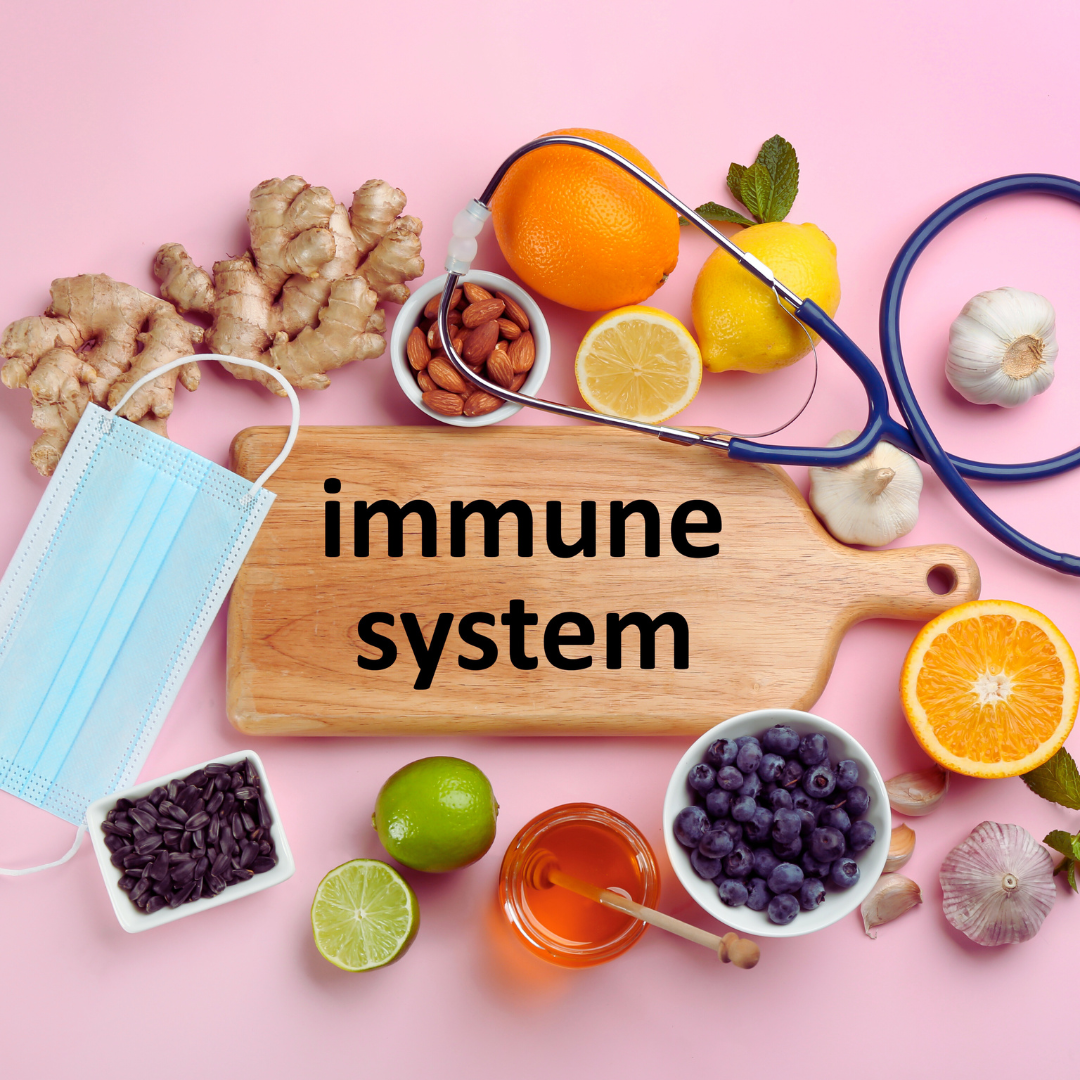
Supporting the immune system naturally involves simple lifestyle choices that help your body defend against illnesses. Maintaining a balanced diet, staying physically active, managing stress, and getting adequate sleep are key ways to boost immunity without medication.
Vitamins like C and D, along with minerals such as zinc, play important roles in keeping your immune response strong. Alongside these nutrients, habits like regular hand washing and avoiding smoking can further protect your immune health.
Understanding the Immune System
The immune system protects the body from harmful agents like bacteria, viruses, and toxins. It operates through complex processes involving specialized cells and molecules. Several factors influence how effectively it performs, including daily habits and environmental exposures.
Key Functions of the Immune System
The immune system has three primary roles: defense, surveillance, and repair. Defense involves identifying and destroying pathogens before they cause infection.
Surveillance means continuously monitoring the body for abnormal cells, like those infected by viruses or cancerous cells. Repair supports healing damaged tissue after injury or infection by triggering inflammation and tissue restoration mechanisms.
The system responds in two ways: innate immunity, providing a rapid but general defense, and adaptive immunity, which targets specific threats with memory for faster future responses. Both work together to maintain health.
Components of Immunity
The immune system consists of organs, cells, and proteins working in coordination. Key organs include the bone marrow, where immune cells originate; the thymus, where T cells mature; and lymph nodes, which filter pathogens.
Important immune cells are white blood cells like macrophages, which engulf invaders; T cells, which destroy infected cells; and B cells, which produce antibodies. Antibodies attach to specific pathogens to neutralize them.
Proteins such as cytokines regulate immune responses by signaling cells to activate or suppress functions. The balance and interaction among these components are essential for effective immunity.
Impact of Lifestyle on Immune Health
Diet, sleep, stress levels, and physical activity directly affect immune function. A diet rich in fruits, vegetables, and whole grains provides vitamins and antioxidants that support immune cells.
Consistent, quality sleep helps produce immune modulators like cytokines. Lack of sleep impairs these processes. Chronic stress releases hormones that reduce the ability of immune cells to respond properly.
Regular moderate exercise improves circulation, which boosts immune surveillance. However, excessive exercise can temporarily suppress immune defenses. Maintaining healthy lifestyle habits supports optimal immune responsiveness.
Nutrition for Immune Support
Proper nutrition provides the body with the building blocks it needs to maintain a strong defense system. Specific vitamins, minerals, and antioxidants play critical roles in immune function. A well-rounded diet supports these processes consistently.
Essential Vitamins and Minerals
Vitamins A, C, D, and E are key to various immune activities, such as enhancing white blood cell function and regulating inflammation. Vitamin C, found in citrus fruits and bell peppers, helps produce collagen and supports barrier integrity. Vitamin D, often sourced from sunlight and fortified foods, modulates immune responses to reduce infection risk.
Minerals like zinc and selenium are vital. Zinc assists in the development and activation of immune cells. Shellfish, meat, and legumes provide good zinc sources. Selenium, an antioxidant mineral found in nuts and seafood, helps lower oxidative stress that can impair immunity.
Antioxidant-Rich Foods
Antioxidants neutralize free radicals, protecting immune cells from damage. Foods rich in antioxidants include berries, dark leafy greens, and nuts. Blueberries and strawberries contain flavonoids, plant compounds linked to reduced inflammation.
Carotenoids such as beta-carotene, present in carrots and sweet potatoes, also serve as antioxidants. These compounds help maintain the integrity of skin and mucous membranes, the first line of defense against pathogens. Including a variety of colorful fruits and vegetables ensures a broad spectrum of antioxidants that work synergistically.
Balanced Diet Recommendations
A balanced diet for immune support integrates protein, healthy fats, and complex carbohydrates alongside micronutrients. Protein is necessary for producing antibodies and immune cells. Lean meats, dairy, and plant-based sources like beans provide quality protein.
Healthy fats from sources like olive oil, avocados, and fatty fish help regulate inflammation. Whole grains and fiber-rich foods improve gut health, which is linked to immune system efficiency. Hydration also matters for maintaining the function of immune organs and cells.
Lifestyle Habits to Strengthen Immunity
Maintaining a strong immune system involves adopting daily habits that support bodily functions. Physical activity, quality sleep, and stress management play essential roles in keeping immune responses balanced and effective.
Physical Activity Benefits
Regular moderate exercise enhances circulation, allowing immune cells to move freely and perform their functions efficiently. Activities like walking, cycling, or swimming for 30 minutes most days improve overall immune surveillance and reduce inflammation.
Exercise also helps control body weight, which is linked to less immune dysfunction. Overtraining or very intense workouts without rest can temporarily suppress immunity, so balance is important.
Physical activity stimulates the production of anti-inflammatory cytokines, aiding in keeping immune responses well-regulated. Even light activities like stretching or yoga support immune health by improving circulation and reducing stress hormone levels.
Quality Sleep for Immune Function
Sleep is critical for immune regulation, as most immune cell regeneration occurs during deep sleep phases. Aim for 7 to 9 hours of uninterrupted sleep per night to support the production of infection-fighting cells.
Lack of sleep increases the production of inflammatory markers and reduces the effectiveness of antibodies. Poor sleep also impairs the body’s ability to develop long-term immunity after vaccination or infection.
Creating a consistent bedtime routine, avoiding screens before sleep, and managing room temperature can improve sleep quality. Short naps can supplement rest but should not replace regular nighttime sleep.
Stress Management Techniques
Chronic stress activates the release of cortisol, which suppresses immune function by reducing the production of white blood cells. Managing stress helps maintain immune effectiveness and reduces the risk of inflammation-related illnesses.
Techniques such as mindfulness meditation, deep breathing exercises, and progressive muscle relaxation can lower cortisol and enhance immune responses. Scheduling regular breaks and social interaction can also reduce stress levels.
Physical activities like yoga and tai chi combine movement with focused breathing to reduce stress. Identifying stress triggers and applying coping strategies protects immune health over time.
Herbal and Natural Supplements
Certain plants and microbes have properties that can support immune function. Understanding which supplements have credible backing and how to use them safely is important for anyone looking to bolster their defenses naturally.
Evidence-Based Herbal Remedies
Echinacea, elderberry, and garlic are among the most studied herbs for immune support. Echinacea may reduce the severity and duration of colds when taken at the first sign of symptoms. Elderberry extract contains antioxidants and has shown potential in reducing flu symptoms in limited studies.
Garlic contains allicin, a compound with antimicrobial effects. Regular consumption of garlic supplements can enhance immune cell function. However, these herbs should not replace medical treatment for serious infections.
Probiotics for Immune Health
Probiotics are live microorganisms that can positively influence gut flora. Since about 70% of the immune system is associated with the gut, maintaining a healthy microbiome is crucial. Strains like Lactobacillus and Bifidobacterium have shown to modulate immune responses.
Daily intake of probiotic foods such as yogurt, kefir, or supplements can improve resistance to respiratory infections. The effects vary by strain and dosage, so choosing clinically tested products is advisable.
Safe Use of Supplements
Supplements are not regulated strictly like medications. Quality, dosage, and purity can vary widely. It is essential to buy from reputable brands that provide third-party testing.
Some herbal supplements can interact with prescription drugs or cause allergies. Consulting a healthcare provider before starting new supplements is recommended, especially for pregnant women, children, or those with chronic conditions. Sticking to recommended dosages minimizes the risk of adverse effects.
Hydration and Immune Response
Proper fluid intake directly influences how the immune system functions by helping to transport nutrients and flush out toxins. Maintaining hydration supports cellular processes that defend against infections and help regulate inflammation.
Importance of Staying Hydrated
Water makes up about 60% of the human body and is vital for immune cells to work efficiently. Dehydration can reduce the production of lymph, the fluid that carries white blood cells and other immune factors. Without enough fluid, these cells struggle to reach infection sites effectively.
Hydration also supports the mucous membranes in the respiratory tract, which act as a barrier to pathogens. Dry membranes are less effective at trapping viruses and bacteria. Drinking adequate water helps keep these tissues moist, enhancing their protective function.
Best Hydration Practices
A daily water intake of about 2.7 liters (for women) and 3.7 liters (for men) from all beverages and foods is recommended. This includes water, herbal tea, and water-rich fruits and vegetables. Avoid excessive caffeine or alcohol, as they can contribute to dehydration.
To maintain consistent hydration, aim to drink water regularly throughout the day rather than consuming a large amount at once. Using reminders or tracking apps can help maintain this habit. Also, adjust fluid intake based on activity level, climate, and overall health status for optimal immune support.
Daily Habits and Hygiene
Maintaining specific habits and hygiene practices can significantly reduce exposure to pathogens and support immune function. Consistency in daily routines helps the body remain resilient against common infections.
Healthy Routines to Prevent Illness
Prioritize adequate sleep, aiming for 7-9 hours each night. Quality sleep enhances immune cell function and reduces inflammation.
Regular moderate exercise, such as 30 minutes of walking most days, boosts circulation and immune surveillance. Avoid excessive training, which can weaken immunity.
Manage stress through techniques like meditation or deep breathing. Chronic stress releases cortisol, which suppresses the immune response.
Stay hydrated by drinking enough water daily, typically about 8 cups. Proper hydration supports cellular function involved in immune defense.
Balanced nutrition is essential. Emphasize fruits, vegetables, whole grains, and lean proteins to provide vitamins and minerals like vitamin C, zinc, and antioxidants critical for immune cells.
Handwashing and Personal Hygiene
Effective handwashing is the single most important practice to prevent infection. Wash your hands with soap and water for at least 20 seconds, especially before eating, after using the restroom, and after touching common surfaces.
If soap and water are unavailable, use an alcohol-based hand sanitizer containing at least 60% alcohol.
Avoid touching the face, particularly the eyes, nose, and mouth, to reduce pathogen entry points.
Maintain daily showering habits to remove external germs and reduce the microbial load on the skin. Clean clothes and regular laundering of bedding also help limit exposure to bacteria and viruses.
Environmental and Social Factors
Environmental quality and social interactions play a significant role in maintaining a healthy immune system. Reducing harmful exposures and fostering supportive relationships can directly influence immune function and overall resilience.
Minimizing Exposure to Toxins
Exposure to pollutants like pesticides, heavy metals, and air contaminants can weaken immune defenses. Using natural cleaning products and choosing organic foods reduces contact with harmful chemicals.
Indoor air quality also matters. Ventilate spaces regularly and avoid smoking indoors to limit respiratory irritants. Wearing masks in high-pollution areas can protect the respiratory tract.
Drinking clean water and avoiding excessive use of antibacterial soaps help maintain the body’s natural microbiome. This balance supports immune responses and decreases vulnerability to infections.
Positive Social Connections
Strong social ties reduce stress hormones, which can otherwise suppress immune activity. Regular interaction with friends or family promotes emotional well-being and hormonal balance linked to better immune health.
Engaging in community or group activities offers mental stimulation and support, helping to lower inflammation markers. Even brief, positive social contact can boost immune cell effectiveness.
Loneliness and social isolation correlate with higher risks of illness. Maintaining consistent, meaningful relationships is a practical way to enhance immune resilience over time.
Long-Term Strategies for Immune Health
Consistent lifestyle habits form the foundation for a strong immune system. Regular physical activity helps boost circulation and can reduce inflammation. Aim for at least 150 minutes of moderate exercise per week, such as walking or cycling.
Balanced nutrition plays a key role in immune support. Focus on a diet rich in fruits, vegetables, whole grains, and lean proteins. Nutrients like vitamin C, vitamin D, zinc, and antioxidants are especially important.
Adequate sleep is critical. Adults should strive for 7-9 hours each night to allow the body to repair and regulate immune function. Poor sleep has been linked to increased susceptibility to infections.
Stress management also affects immune health. Chronic stress releases hormones that can suppress immune responses. Practices like meditation, yoga, or deep breathing can help reduce stress levels.
| Strategy | Recommended Practice | Benefits |
| Physical Activity | 150 mins moderate exercise/week | Enhances circulation, lowers inflammation |
| Nutrition | Balanced diet with key nutrients | Supports cell function, antioxidant protection |
| Sleep | 7-9 hours/night | Enables recovery, immune regulation |
| Stress Management | Mindfulness, relaxation techniques | Reduces immune-suppressing hormones |
Avoiding smoking and limiting alcohol consumption further supports immune health. Both habits can impair immune cells and increase vulnerability to illness over time.