
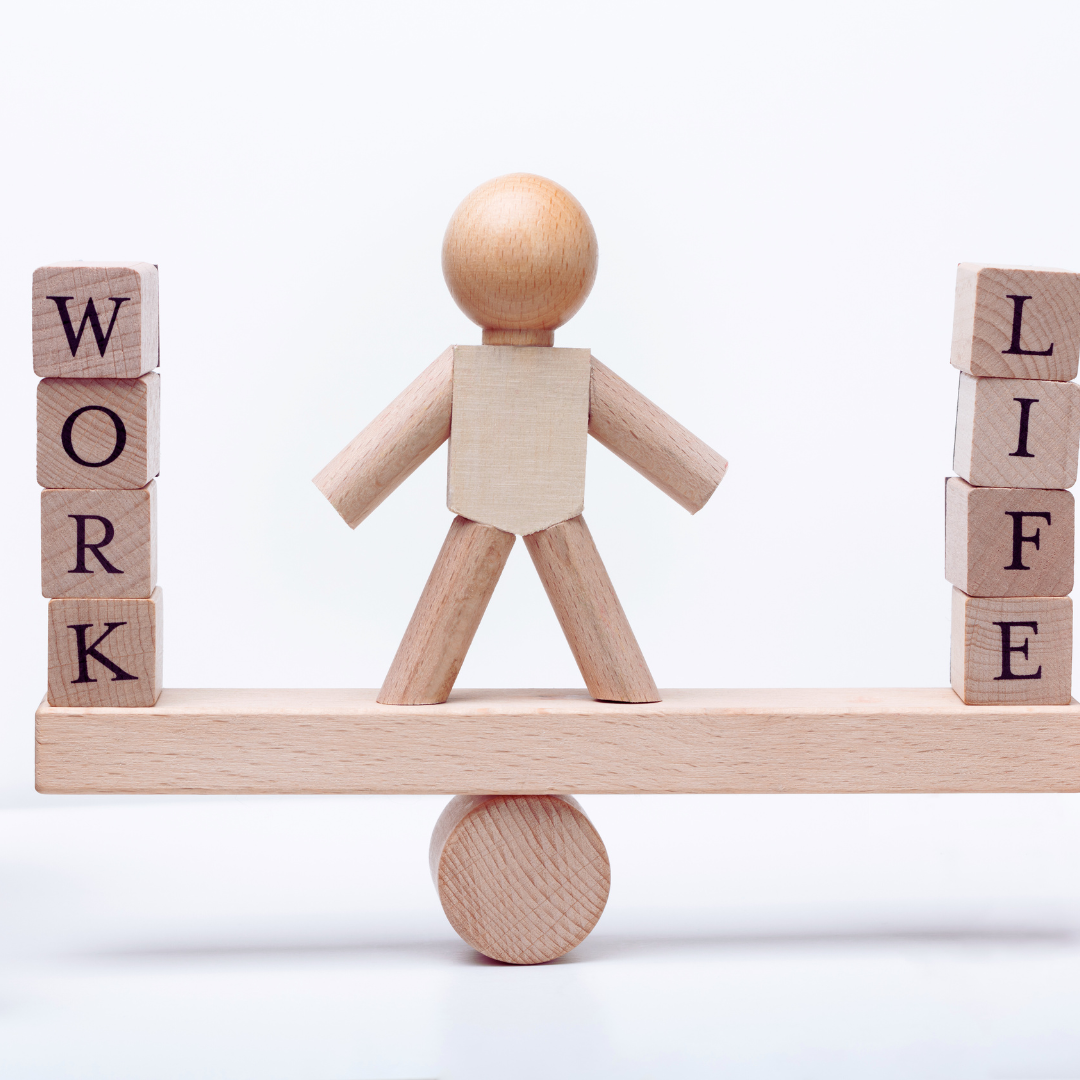
Balancing work and personal life is essential for long-term health and productivity. The key to maintaining work-life balance is setting clear boundaries and managing your time effectively. This means knowing when to focus on work and when to disconnect.
Many struggle to separate tasks and allow work to spill into personal time. Establishing consistent routines and prioritizing important activities helps create a structure that protects both work and life commitments.
Understanding how to identify stress triggers and adjust your schedule accordingly can prevent burnout. Maintaining this balance requires ongoing attention to find what works best for individual needs.
Understanding Work-Life Balance
Work-life balance involves managing responsibilities and time among various areas of life, such as work, family, and personal interests. It requires clear boundaries, consistent priorities, and adapting to changing demands without compromising well-being or productivity.
Definition of Work-Life Balance
Work-life balance means effectively dividing one’s time and energy between professional duties and personal life. It is not about an equal split but about meeting both work obligations and personal needs satisfactorily.
Key elements include setting limits on work hours, allocating time for rest, and maintaining social and family relationships. Achieving balance is ongoing; it shifts based on workload, life stages, and individual goals.
Why Work-Life Balance Matters
Balancing work and life reduces stress and prevents burnout. It supports mental and physical health by ensuring time for exercise, sleep, and social connections.
Employers benefit when employees maintain balance, as it improves focus, engagement, and retention. Unbalanced work habits increase absenteeism and decrease productivity, causing issues for both individuals and organizations.
Common Myths
Many believe work-life balance means working less, but balance is about quality, not quantity. Another myth is that only flexible jobs enable balance; in reality, balance depends on individual time management and priorities.
Some think balance is a one-time achievement, but it requires constant adjustment. Lastly, some assume technology always harms balance, though proper use can enhance flexibility and efficiency.
Identifying Your Priorities
Balancing work and life requires clear recognition of what matters most. This means understanding your goals, how you spend your time, and noticing when things are out of balance.
Clarifying Personal and Professional Goals
Start by writing down your key goals in both personal and professional areas. Identify what achievements at work and in your personal life are most important within the next year.
Separate goals into short-term (monthly or quarterly milestones) and long-term (annual or multi-year targets). This distinction helps prioritize activities that align with your overall vision.
Focus on goals that contribute to your well-being and growth rather than simply checking tasks off a list. For example, career advancement and quality time with family can coexist if both are properly defined.
Assessing Time Allocation
Track how you currently spend your time for one week with an hourly log. Use a simple table like this to visualize your daily activities:
| Activity | Hours per Day | Percentage of Time |
| Work Meetings | 4 | 25% |
| Project Work | 5 | 31% |
| Commute | 1 | 6% |
| Personal Time | 2 | 13% |
| Family & Friends | 3 | 19% |
Compare the actual time spent to your priorities. If significant time goes to low-priority tasks, consider adjusting commitments or delegating.
Be critical of activities that do not add value or contribute to your goals. Optimize or eliminate those to free up time for what truly matters.
Recognizing Signs of Imbalance
Pay attention to physical and emotional symptoms such as chronic fatigue, stress, irritability, or declining health. These often signal that work or personal life is overpowering the other.
Notice changes in social interactions, like avoiding friends or family due to work pressures. Also, consider if you frequently skip breaks or work late withouta clear benefit.
Use a checklist to track signs of imbalance:
- Frequent headaches or insomnia
- Feeling overwhelmed or anxious
- Reduced productivity or motivation
- Neglected hobbies and relationships
Identifying these signs early allows you to take corrective actions before issues worsen.
Time Management Strategies
Successful time management relies on clear limits, practical planning methods, and knowing when to delegate tasks. These approaches help maintain focus and prevent burnout.
Setting Boundaries
Establishing clear boundaries between work and personal time is essential. Define specific hours when work starts and ends, and communicate these limits to colleagues and family.
Avoid checking emails or taking calls outside designated work times. Use tools like “Do Not Disturb” modes on devices to reinforce separation.
Setting boundaries prevents work from encroaching on personal life and reduces stress, allowing for quality downtime.
Effective Scheduling Techniques
Prioritize tasks by urgency and importance. Use calendars to block dedicated time for meetings, work sessions, and breaks.
Techniques such as the Pomodoro method help maintain focus with timed work intervals and scheduled breaks. Digital tools like Google Calendar or Trello assist in organizing tasks visually.
Review your schedule daily to adjust commitments and avoid overloading. Planning realistic work periods improves productivity without exhausting focus.
Delegation and Saying No
Delegating tasks is key to managing workload effectively. Identify tasks others can handle and assign responsibilities clearly, freeing time for higher-priority work.
Learn to say no to requests that exceed capacity or do not align with goals. Politely declining preserves time for essential activities and reduces stress.
Balance is maintained by managing demands and protecting your schedule from unnecessary overload.
Enhancing Workplace Productivity
Maximizing focus and managing energy are essential for efficient work. Small adjustments in the environment and routine can significantly improve output. Utilizing available tools and planned pauses helps sustain high performance throughout the day.
Minimizing Distractions at Work
Identify common distractions such as social media, unrelated emails, and noisy environments. Use noise-cancelling headphones or white noise apps to reduce auditory interruptions.
Create a dedicated workspace, free from non-work materials. Inform colleagues of focused work periods to limit disruptions.
Set specific time blocks for checking emails and messages instead of constantly responding. This prevents task-switching, which reduces productivity.
Turn off non-essential notifications on your phone and computer. Visual cues or alerts can easily break concentration.
Optimizing Breaks
Schedule breaks to avoid burnout and maintain focus. The Pomodoro Technique, involving 25-minute work intervals followed by 5-minute breaks, helps sustain mental energy.
Use breaks for physical movement, such as stretching or short walks. This reduces fatigue and improves circulation.
Avoid screen time during breaks to rest eyes and mind. Instead, consider deep breathing exercises or hydration.
Longer breaks, around 15–30 minutes, should occur after 3-4 work intervals to fully recharge.
Leveraging Technology for Efficiency
Use project management tools like Trello or Asana to organize tasks and deadlines clearly. Prioritize tasks by urgency to maintain focus.
Automate repetitive tasks with software like Zapier or built-in email filters. This saves time and reduces errors.
Use keyboard shortcuts, templates, and voice-to-text tools to speed up routine activities.
Regularly review and update your technology setup to ensure software versions are current and optimized for your workflow.
Cultivating Personal Wellbeing
Personal well-being requires consistent habits that support mental and physical health. It also depends on engaging in activities that bring satisfaction and creating strong connections with others.
Establishing Healthy Routines
Set specific sleep and wake times to regulate your body clock. Aim for 7-8 hours of sleep nightly to improve focus and energy during work hours. Incorporate regular physical activity, such as a 30-minute walk or simple stretching, to reduce stress and boost mood.
Plan balanced meals with whole foods, limiting processed items. Hydration matters; drink at least 8 cups of water daily. Use time-blocking to schedule breaks during work, preventing burnout and keeping productivity steady.
Pursuing Hobbies and Passions
Dedicate time weekly to activities unrelated to work. Whether it’s painting, reading, or gardening, hobbies offer mental rest and creative outlets. Choose hobbies that challenge your skills to foster growth and satisfaction.
Avoid overpacking free time; quality over quantity encourages enjoyment. Set small goals within hobbies to maintain motivation and track progress. Engaging in passions can reduce anxiety and provide a clear separation from work responsibilities.
Building Support Systems
Identify trusted friends, family, or colleagues for regular contact. Strong relationships help manage stress through shared experiences and advice. Schedule consistent check-ins, even brief ones, to maintain these connections.
Participate in community groups or professional networks to expand support outside immediate circles. Use communication tools like video calls or messaging apps to bridge distance. Support systems act as a buffer during high-pressure periods at work.
Managing Remote and Hybrid Work
Effective remote and hybrid work relies on intentional structure, clear communication, and setting firm boundaries. Balancing flexibility with discipline ensures productivity without burnout.
Creating a Dedicated Workspace
A designated work area reduces distractions and signals to the brain that it’s time for focused effort. Choose a quiet spot with good lighting and ergonomic furniture to enhance comfort and minimize strain.
Ensure your workspace has all necessary tools—computer, charger, notepads—within reach to maintain workflow efficiency. Avoid using shared family spaces when possible, as interruptions can disrupt concentration and work quality.
Personalize the area to feel inviting but not cluttered. Consistency in where you work daily helps separate work mode from relaxation, improving mental clarity and task management.
Staying Connected with Colleagues
Remote work can cause isolation, so regular communication is crucial. Use scheduled video calls, instant messaging, and collaborative platforms like Slack or Microsoft Teams to foster team interaction.
Set clear expectations for response times to avoid misunderstandings or feelings of neglect. Participate actively in virtual meetings and informal chat groups to stay informed and maintain relationships.
Building rapport remotely requires effort; consider periodic check-ins that aren’t strictly work-related. Sharing updates or casual conversations supports morale and teamwork cohesion.
Separating Work from Home Life
Clear boundaries prevent work tasks from spilling into personal time. Establish fixed working hours and communicate them to colleagues and family members.
Turn off work notifications outside these hours to avoid constant mental engagement with job duties. Develop routines to transition in and out of work, such as a brief walk or changing clothes after work hours.
Use physical cues, like leaving your workspace or shutting your computer, to create mental separation. Prioritize leisure activities and downtime equally to work commitments to sustain balance over time.
Navigating Work Life Balance During Major Life Changes
Major life changes require shifts in priorities and routines to maintain balance. Effective planning, clear communication, and self-care methods are essential during these periods.
Adapting to Parenthood
Parenthood demands significant time and energy adjustments. Establishing a flexible schedule helps accommodate unexpected needs without neglecting work responsibilities.
Sharing childcare duties with a partner or support network distributes workload and reduces stress. Prioritizing essential tasks at work and home ensures focus on critical responsibilities.
Setting boundaries between work hours and family time prevents overlap, reducing burnout. Utilizing parental leave and remote work options offers additional support.
Managing Career Transitions
Career changes often bring uncertainty and increased demands. Creating a clear timeline for the transition helps manage both professional and personal obligations.
Networking and seeking mentorship provide guidance and reduce stress during adjustments. Skills development aligned with new roles can boost confidence and efficiency.
Communicating openly with employers or clients about new commitments allows for realistic workload expectations. Balancing job hunting with daily duties requires strict time management.
Supporting Mental Health
Mental health significantly influences work-life balance, especially during stress-inducing changes. Incorporating regular breaks and mindfulness techniques helps maintain focus and reduce anxiety.
Accessing professional support, such as counselors or support groups, enhances coping ability. Sleep hygiene and physical activity contribute to emotional well-being.
Setting realistic goals and recognizing limits prevents overwhelm. Clear communication about mental health needs fosters understanding and accommodations in the workplace.
Evaluating and Adjusting Your Approach
Maintaining work-life balance requires continuous evaluation and readiness to adapt. Monitoring your progress, gathering input from others, and implementing realistic adjustments help sustain equilibrium over time.
Regular Self-Assessment
Set aside time weekly or monthly to review your work and personal life demands. Ask yourself specific questions, such as:
- Am I meeting my personal priorities?
- Is my stress level manageable?
- Am I dedicating enough time to both work and rest?
Track patterns in your energy, productivity, and mood to identify when balance shifts. Use journals or apps to record these observations consistently. This practice helps detect early signs of imbalance and informs necessary changes before issues escalate.
Seeking Feedback
Feedback from colleagues, supervisors, family, or friends offers valuable outside perspectives. They may notice changes in your behavior, workload, or availability differently than you do.
Request honest input about your time management and presence in work and home settings. Use structured approaches such as surveys or casual conversations to gather insights. Incorporating this feedback provides practical information to fine-tune your approach and reinforces accountability.
Making Sustainable Changes
Focus on incremental adjustments that fit your lifestyle and long-term goals. Avoid drastic shifts that can be hard to maintain or cause burnout. Examples include:
- Allocating fixed hours for work tasks or leisure.
- Setting boundaries for after-hours emails.
- Integrating brief restorative breaks during the day.
Document changes and monitor their impact on your well-being and efficiency. Revise or discard strategies that don’t improve balance, and reinforce those that do. Sustainable changes promote steady progress without overwhelming your routine.
Conclusion
Maintaining a work-life balance requires intentional effort and consistent practice. It involves setting clear boundaries and prioritizing tasks based on importance and urgency.
Using tools like calendars and to-do lists can help organize responsibilities efficiently. Regularly assessing your workload and personal time ensures neither area is neglected.
Key strategies include:
- Allocating specific time blocks for work and personal activities
- Communicating needs and limits to colleagues and family
- Taking breaks to recharge and avoid burnout
Remember, work-life balance is dynamic. Adjustments might be necessary as circumstances change, but staying mindful will support long-term well-being.
Balancing work and life does not mean equal time for everything, but rather effective management of priorities. Focus on quality rather than quantity in both professional and personal areas.
By following these principles, it’s possible to create a sustainable routine that supports productivity and personal fulfillment.