
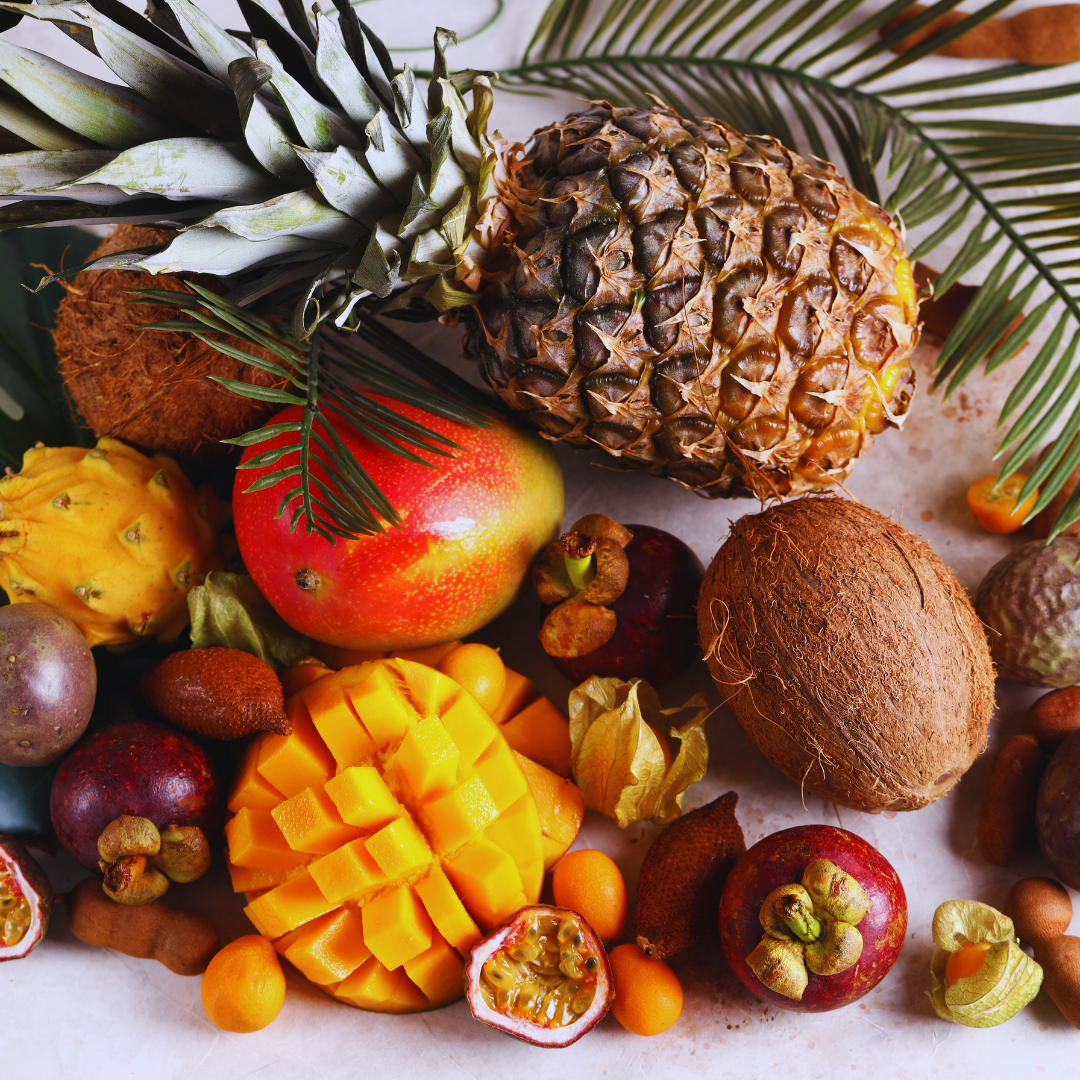
Exotic fruits offer a unique experience that can tantalize the taste buds and introduce vibrant new flavors. These fruits not only provide diverse tastes and textures but also come with numerous health benefits, making them valuable additions to any diet. Exploring the world of exotic fruits allows individuals to expand their culinary horizons and enjoy nature’s sweet surprises.
Each exotic fruit boasts its own distinct characteristics, often influenced by the regions where it thrives. From the tangy dragon fruit to the sweet and creamy durian, he or she can discover varieties that are not commonly found in traditional grocery stores. This exploration not only enhances one’s culinary skills but also promotes a greater appreciation for global biodiversity.
Incorporating these fruits into meals can lead to creative cooking and an opportunity for adventurous eating. By learning about how to select, prepare, and enjoy exotic fruits, individuals can elevate their cuisine and possibly inspire others to venture beyond familiar flavors.
Classification of Exotic Fruits
Exotic fruits can be classified based on several criteria. This section focuses on regional classification, nutritional content, and rarity, providing a clear understanding of how these fruits are categorized.
By Region
Exotic fruits are often grouped according to their geographic origins. These regions significantly impact the variety of fruits available.
- Tropical Fruits: Common in countries near the equator, such as mangoes, papayas, and dragon fruit.
- Subtropical Fruits: Found in slightly cooler climates, these include kiwifruit and lychee.
- Temperate Fruits: Rarely considered exotic, fruits like pawpaw and persimmons can fall into this category due to limited availability in certain regions.
Understanding the regional classification helps consumers identify the fruits they might encounter in local markets or specialty shops.
By Nutritional Content
Nutritional classification considers the health benefits these fruits offer. Many exotic fruits provide unique vitamins and minerals.
- High in Vitamin C: Fruits like camu camu and acerola cherries are exceptionally rich in this essential nutrient.
- Rich in Antioxidants: Dragon fruit and goji berries are known for their antioxidant properties, helping to combat free radicals.
- Fiber-Rich Options: Fruits such as jackfruit and sapote are high in dietary fiber, promoting digestive health.
Different nutrients appeal to those looking to enhance their diet or focus on specific health benefits.
By Rarity
Rarity plays a significant role in the classification of exotic fruits. Some fruits are rare due to their limited growing regions or short harvest seasons.
- Highly Rare: Fruits like durian and Buddha’s hand are not widely available outside their native regions.
- Annually Available: Others, like mangosteen or Rambutan, have specific seasons that affect their supply.
- Cultivated Rarely: Fruits such as salak (snake fruit) may not be cultivated on a large scale worldwide.
Rarity often increases the fascination with these fruits and can drive demand in niche markets.
Popular Exotic Fruits
Exotic fruits offer unique flavors and textures, making them appealing to a wide range of palates. Here are four notable examples, each with its own distinctive characteristics and nutritional benefits.
Dragon Fruit
Dragon fruit, also known as pitaya, features a striking appearance with vibrant pink or yellow skin and scale-like green leaves. The flesh can be white or red, dotted with tiny black seeds. This fruit is mildly sweet and refreshing, often compared to kiwi or pear.
Rich in antioxidants, vitamin C, and fiber, dragon fruit supports digestive health and boosts the immune system. Its unique visual appeal makes it a popular choice for fruit salads, smoothies, and garnishes.
When selecting dragon fruit, look for brightly colored skin and feel for slight give when pressed. Ripe fruit can be enjoyed fresh or used in various culinary applications.
Durian
Durian is often called the “king of fruits” due to its size and distinctive odor. Encased in a spiky husk, the creamy yellow flesh offers a unique, custard-like texture and flavor that is both sweet and savory.
Despite its polarizing smell, durian is rich in nutrients such as vitamins B, C, and potassium. It is a source of healthy fats and can provide energy, making it a food of choice in many Southeast Asian cuisines.
When purchasing durian, select a fruit that has a strong aroma and slight softness when pressed. It can be eaten fresh or incorporated into desserts, ice creams, or savory dishes.
Rambutan
Rambutan is a tropical fruit with a hairy or spiky exterior, resembling a lychee. The translucent, juicy flesh has a sweet, floral flavor and is often described as slightly acidic. This fruit is best enjoyed fresh, chilled on its own, or added to fruit salads.
High in vitamin C and antioxidants, rambutan supports skin health and boosts immunity. It also contains fiber, which aids in digestion.
To eat rambutan, cut through the skin to reveal the flesh inside. Select firm, brightly colored fruits with a vibrant green to red exterior for optimal freshness.
Jackfruit
Jackfruit is one of the largest tree-borne fruits, with a large, spiky exterior. The ripe flesh is sweet and commonly used in desserts, while the unripe version is popular in savory dishes, making it a versatile ingredient.
Rich in dietary fiber and vitamins A, C, and several B vitamins, jackfruit offers numerous health benefits, including improved digestion and immune support. It is also high in protein, making it an excellent meat substitute for vegetarians and vegans.
When choosing jackfruit, look for a firm, heavy fruit with a fresh aroma. The rich flavor and unique texture make it ideal for curries, tacos, and smoothies.
Health Benefits
Exotic fruits are not only delicious but also packed with various health benefits. Their unique properties contribute to overall wellness, making them a valuable addition to any diet.
Antioxidant Properties
Many exotic fruits are high in antioxidants, which play a crucial role in protecting the body from oxidative stress. This stress can lead to chronic diseases and aging.
For instance, acai berries and dragon fruit contain anthocyanins and other powerful antioxidants. These compounds help neutralize free radicals, reducing inflammation and promoting cardiovascular health. Including a variety of these fruits in daily meals may enhance the body’s defense against diseases.
Vitamin Rich Varieties
Exotic fruits are rich sources of essential vitamins that support various bodily functions. Fruits like papaya and kiwano provide significant amounts of vitamin C, promoting immune function and skin health.
Additionally, fruits like mangosteen offer B vitamins, crucial for energy production and metabolism. Consuming a selection of these fruits ensures adequate intake of vital nutrients, contributing to improved health and vitality.
Exotic Fruits as Superfoods
Some exotic fruits are recognized as superfoods due to their exceptional nutrient profiles. For example, jackfruit provides a unique combination of fiber, vitamins, and minerals.
These fruits often contain beneficial compounds that support digestive health and weight management. Their nutrient density can contribute to overall well-being, making them suitable for health-conscious individuals. Incorporating these superfoods into the diet can deliver diverse health benefits and enhance daily nutrition.
Culinary Uses
Exotic fruits offer a range of unique flavors and textures that can enhance various dishes. From innovative recipes to fusion cuisine and refreshing beverages, these fruits lend themselves to creative culinary applications.
Unique Recipes
Exotic fruits can be incorporated into many unique recipes. For instance, dragon fruit can be used in a vibrant fruit salad, where its bright pink flesh contrasts beautifully with melons and berries.
Another option is jackfruit. It can be shredded and used as a plant-based substitute for pulled pork in tacos or sandwiches.
Passion fruit adds a tangy twist to sauces or dressings, making it ideal for drizzling over grilled chicken or drenching salads.
Fusion Cuisine
Fusion cuisine uniquely combines diverse culinary traditions, and exotic fruits play a crucial role. For example, mango salsa blends tropical sweetness with traditional spice, pairing well with grilled fish or chicken.
Thai cuisine often features lychee, which can be added to salads, mixing crunchy vegetables with the fruit’s juiciness.
Additionally, coconut can be mixed with various spices for a twist on classic curry dishes, enhancing flavors with its creamy texture and tropical note.
Beverages and Desserts
Exotic fruits excel in beverages and desserts. Smoothies utilizing açaí or guava are nutritious and satisfying, offering vibrant colors and flavors.
Cocktails can benefit from fruits like passion fruit, providing a refreshing tang when mixed with spirits.
For desserts, consider a panna cotta flavored with lychee or a sorbet crafted from tropical fruits such as mango or pineapple. These options not only showcase the fruits’ natural sweetness but also serve as visually stunning presentations.
Cultivation and Harvesting
Cultivation and harvesting of exotic fruits involve specialized agricultural techniques, specific harvest seasons, and consideration of sustainability issues. Each of these factors plays a crucial role in the successful production of these fruits.
Agricultural Techniques
Exotic fruits require tailored agricultural methods to thrive. Techniques may include integrated pest management, which uses biological controls to minimize chemical inputs. Growers often utilize drip irrigation to provide consistent moisture, essential in tropical climates.
Soil health is vital; therefore, they might apply organic fertilizers such as compost or green manure. Additionally, proper pruning promotes better fruit quality and yields.
Some fruits, like dragon fruit, benefit from specific support systems or trellises to manage growth. The choice of these techniques can vary depending on regional climates and fruit-specific needs.
Harvest Seasons
Harvest seasons for exotic fruits greatly depend on their geographical location and species. For example, mangoes typically mature between April and June, while lychees are harvested from May to July.
In contrast, durians generally ripen from June to August. Knowing these periods helps farmers plan labor and market timing effectively.
Proper timing is critical; fruit harvested too early may lack flavor, while overripe fruit can spoil quickly. Thus, growers often monitor fruit indicators such as color and firmness to ascertain optimal harvest times.
Sustainability Issues
Sustainability is a growing concern in the cultivation of exotic fruits. Practices such as soil erosion, water waste, and reliance on chemicals can pose risks to the environment.
Growers are increasingly adopting agroecological methods that enhance biodiversity and minimize environmental impact.
Certification standards, such as Fair Trade or Organic, encourage sustainable practices. Additionally, educating farmers about the economic benefits of sustainability can improve fruit quality and yield while reducing ecological footprints.
Storage and Preservation
Exotic fruits require specific storage techniques to maintain their freshness and flavor. The right temperature and humidity levels can significantly extend their shelf life.
General Guidelines
- Temperature Control: Most exotic fruits thrive at cool temperatures. Refrigeration is often beneficial for fruits like mangoes and papayas once ripe.
- Humidity Levels: Higher humidity can prevent fruits from drying out. A humidity level of around 85% is ideal for many tropical fruits.
Specific Fruit Storage
| Fruit | Storage Method | Ideal Temperature |
| Mango | Refrigerate once ripe, and store in plastic bags | 45-55°F (7-13°C) |
| Dragon Fruit | Store in a cool, dry place | 40-50°F (4-10°C) |
| Rambutan | Refrigerate in a container | 40-45°F (4-7°C) |
| Durian | Best consumed fresh; refrigerate if necessary | 45-50°F (7-10°C) |
Preservation Techniques
- Freezing: Suitable for many exotic fruits. Cut them into chunks, place in airtight containers, and freeze.
- Drying: Dehydrating fruits like jackfruit or mango intensifies their flavor. It also increases shelf life.
- Canning: Many exotic fruits can be canned in syrup or juice, preserving them for long periods.
Proper storage and preservation help maintain the nutritional value of exotic fruits while enhancing their taste and longevity.
Import and Export Trends
The trade of exotic fruits is influenced by various factors that shape market dynamics. Understanding these trends provides insight into how this sector operates globally.
Global Market Influence
Exotic fruits have gained popularity due to increased consumer interest in diverse culinary experiences and health benefits. Countries like the United States and those in Europe increasingly import fruits such as dragon fruit, rambutan, and durian, often sourced from Southeast Asia and South America.
For instance, the U.S. imported approximately $1.5 billion worth of exotic fruits in 2023, showing a consistent annual growth rate of 8%. European markets also reflect similar trends, with growing demand for organic and sustainably sourced options. This rising consumer interest significantly affects pricing and availability, creating opportunities for exporters.
Trade Regulations
Trade regulations play a crucial role in the import and export of exotic fruits. Many countries impose strict phytosanitary standards to prevent the introduction of pests and diseases. These regulations can vary widely, affecting the ease of market entry for exporters.
For example, the European Union requires specific certifications for imports, impacting how exporters prepare their shipments. Additionally, tariffs can influence pricing structures, creating a competitive landscape where local growers might struggle against imported products. Navigating these regulations is essential for exporters aiming to gain market access.
Economic Impact
The exotic fruit trade contributes positively to the economies of producing countries. Many farmers benefit from increased exports, enhancing their income and promoting agricultural development. In countries like Thailand, the export of fruits such as mangosteen and lychee accounts for a significant portion of the agricultural GDP.
Moreover, this trade supports job creation in both agricultural and logistical sectors. It fosters global partnerships that facilitate knowledge exchanges in farming techniques and marketing strategies. Thus, the exotic fruit trade serves as a vital economic component for many nations involved.
Conservation Efforts
Conservation efforts for exotic fruits focus on protecting endangered species and promoting biodiversity initiatives. These efforts are critical for maintaining ecosystems and ensuring the survival of unique fruit varieties.
Endangered Species
Many exotic fruits are on the brink of extinction due to habitat loss, climate change, and over-harvesting. For instance, the Durian tree faces threats from deforestation in Southeast Asia. The Caimito, or star apple, is also at risk in Central America.
Conservation organizations are working to protect these species through seed banks and cultivation programs. These initiatives aim to preserve genetic diversity and ensure that these fruits can be propagated and maintained for future generations.
Efforts involve local farmers, who are often educated on sustainable practices. Engaging communities ensures the protection of these endangered species while also supporting local economies.
Biodiversity Initiatives
Biodiversity initiatives play a vital role in the conservation of exotic fruits. Preservation of their habitats is essential for maintaining ecological balance. Projects often focus on protected areas and sustainable farming practices.
Organizations like The World Wildlife Fund (WWF) and The Food and Agriculture Organization (FAO) promote the cultivation of native fruits. They raise awareness about the importance of diverse agricultural systems.
In addition, these initiatives often include educational programs for farmers. Training on biodiversity benefits encourages practices that minimize environmental impact. Agroforestry systems also support fruit diversity, allowing exotic fruit trees to thrive alongside other crops.